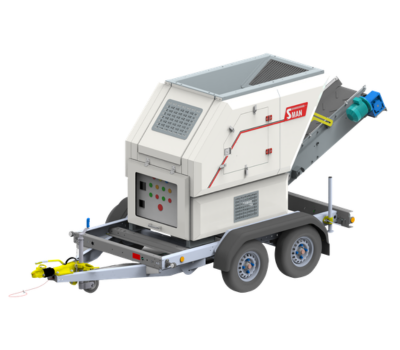
How to Set Up a Stone Crusher Plant in India: A Step-by-Step Guide
How to Set Up a Stone Crusher Plant in India: A Step-by-Step Guide
Setting up a stone crusher plant in India requires careful planning, suitable crushing equipment, an efficient plant layout and a clear understanding of production requirements. Whether the project involves quarrying, aggregate production, mining or manufactured sand, selecting the right machinery and plant configuration is essential for smooth operations.
A stone crusher plant is not simply a collection of machines. It is an integrated system in which feeding, crushing, screening, conveying and, where required, washing work together to produce the required material sizes.
This guide explains the major steps involved in planning a stone crusher plant and choosing suitable crushing and screening equipment.
1. Define Your Project Requirements
The first step is to understand what the plant needs to produce and how it will operate.
Before selecting machinery, identify the following requirements:
Type of material to be processed
Material hardness and abrasiveness
Maximum feed size
Required production capacity in tonnes per hour (TPH)
Desired final product sizes
Number of product fractions required
Available installation area
Expected operating hours
Transportation and material-handling requirements
For example, a plant producing construction aggregates may have different requirements from a plant designed to produce manufactured sand. The equipment configuration should match the material characteristics and final product specifications.
Clearly defining these requirements helps establish a practical foundation for plant design.
2. Select the Appropriate Crusher Types
Different crushers perform different functions in a crushing circuit. The selection depends on the feed material, required reduction and final product.
Jaw Crusher
A jaw crusher is commonly used for primary crushing. It reduces large rocks into smaller pieces before further processing.
When selecting a jaw crusher, consider the maximum feed size, required capacity, discharge setting and material characteristics.
Cone Crusher
A cone crusher is commonly considered for secondary or tertiary crushing applications. It reduces material that has already undergone primary crushing.
Its suitability depends on the material, feed conditions, required output and overall crushing circuit.
Vertical Shaft Impactor (VSI)
A VSI crusher can be used for further size reduction and particle shaping in suitable applications. It is often considered for manufactured sand and aggregate processing where product shape and gradation are important.
Screening Equipment
Vibrating screens separate crushed material into different size fractions. Screen selection depends on the required product sizes, feed characteristics and plant capacity.
The right combination of crushers and screens should be determined by the complete process requirement rather than by selecting individual machines independently.
3. Determine the Required Plant Capacity
Plant capacity is generally expressed in tonnes per hour (TPH). Choosing an appropriate capacity helps align equipment selection with production targets.
When estimating capacity, consider:
Required hourly production
Daily operating hours
Feed material characteristics
Maximum feed size
Desired output sizes
Number of crushing stages
Screening and conveying requirements
Expected operating interruptions
Actual production depends on the equipment configuration, material properties, operating conditions and maintenance practices.
Shakti Mining Equipments offers crushing equipment across stated capacity ranges of 30–500 TPH, depending on the equipment and application. Its complete four-stage crushing, screening and washing plant solutions are available for applications starting from 80 TPH and above.
The appropriate configuration should be confirmed against the project's specific technical requirements.
4. Plan the Crushing Plant Layout
An efficient plant layout helps maintain a logical flow of material from the feed point to the final product stockpiles.
A typical crushing process may include:
Raw Material Feeding → Primary Crushing → Secondary Crushing → Tertiary Crushing, Where Required → Screening → Conveying → Stockpiling
Washing equipment may be incorporated when the application requires it.
During layout planning, consider:
Space required for each machine
Material flow between equipment
Conveyor routes and transfer points
Access for inspection and maintenance
Safe operator movement
Areas for product stockpiles
Electrical and control systems
Water supply and drainage, where applicable
Dust-control and environmental requirements
The final arrangement should be developed according to the site conditions, process flow and equipment specifications.
5. Consider Conveyors, Feeders and Allied Equipment
A crushing plant requires more than crushers alone. Supporting equipment helps maintain a consistent flow of material throughout the process.
Depending on the plant design, the equipment may include:
Hoppers
Vibrating feeders
Grizzly feeders
Belt conveyors
Vibrating screens
Surge bins
Electrical control panels
Sand-washing equipment
Structural supports and associated components
The selection of allied equipment should match the capacity and operating requirements of the complete plant.
Poor coordination between equipment can restrict material flow, so the complete system should be evaluated during the design stage.
6. Evaluate Site Requirements and Applicable Approvals
Before installing a stone crusher plant, evaluate the proposed location and its suitability for the intended operation.
Consider access roads, land availability, material transportation, power supply, water requirements and the space needed for equipment installation and maintenance.
The project may also require permissions or approvals relating to land use, environmental compliance, pollution control, mining or quarrying operations, and local regulations.
Requirements vary by location, project type and applicable law. Confirm the current requirements with the relevant state pollution control board, local authorities and qualified project consultants before proceeding.
Planning these requirements early can help reduce avoidable delays during project implementation.
7. Plan Installation and Commissioning
After the equipment configuration and site layout are finalized, installation and commissioning can be planned.
The process may involve:
Preparing the site and foundations according to approved equipment requirements.
Positioning and installing the machinery.
Aligning conveyors and connecting material-handling equipment.
Completing electrical and control-system connections.
Inspecting safety guards and operating clearances.
Conducting equipment checks before operation.
Carrying out commissioning and performance checks.
Training operating personnel, where included in the project scope.
Installation procedures depend on the selected equipment and plant design. Follow the manufacturer's instructions and applicable safety requirements.
For complete plant projects, clarify the scope of installation, commissioning, operator training and technical support before finalizing the order.
8. Establish a Preventive Maintenance Plan
Regular maintenance helps identify potential problems before they cause unexpected interruptions.
A preventive maintenance plan should cover:
Inspection of wear components
Lubrication as specified by the manufacturer
Checking fasteners and structural components
Inspection of conveyor belts and rollers
Monitoring screen mesh condition
Checking bearings and other critical components
Cleaning material build-up from relevant areas
Maintaining records of inspections and repairs
Maintenance intervals should follow the equipment manual, operating conditions and manufacturer's recommendations.
It is also useful to understand spare-parts availability and technical support requirements before commissioning the plant.
9. Choose a Crushing Plant Manufacturer Carefully
Selecting a manufacturer is an important part of the project-planning process.
Before making a decision, evaluate:
Relevant crusher and screening equipment range
Suitability for your material and capacity
Ability to discuss the complete process flow
Equipment specifications and documentation
Installation and commissioning scope
Maintenance requirements
Spare-parts availability
Technical and after-sales support
Compare proposals against the same project requirements. Looking only at the purchase price may not provide a complete picture of the equipment's suitability for your application.
Ask the manufacturer to evaluate the material, feed size, required capacity and final product specifications before recommending a configuration.
Why Consider Shakti Mining Equipments?
Shakti Mining Equipments Private Limited, established in 1986, is based in Ambad MIDC, Nashik, Maharashtra, India.
The company offers crushing and screening equipment under brands including SMAN, KAMAL and SHAKTIMAN. Its product portfolio includes jaw crushers, cone crushers, vertical shaft impactors, complete crushing and screening plants, wheel-mounted plants, sand-making and sand-washing equipment, and allied machinery.
Its complete plant solutions can include equipment and project-related services such as site surveying, installation, commissioning, startup, training and service support, depending on the agreed project scope.
For project-specific recommendations, discuss your material type, required capacity, feed size, final product sizes and site requirements with the technical team.
Frequently Asked Questions
1. What equipment is required for a stone crusher plant?
A plant may require a feeder, primary crusher, secondary or tertiary crusher, vibrating screens, conveyors and allied equipment. The exact configuration depends on the material, capacity and final product requirements.
2. How do I select the capacity of a stone crusher plant?
Start with your required production in tonnes per hour, material characteristics, feed size and final product specifications. The manufacturer can evaluate these factors to recommend a suitable configuration.
3. Which crusher is suitable for hard rock?
Crusher selection depends on the rock's hardness, abrasiveness, feed size, production target and required output. A technical assessment is recommended before selecting equipment.
4. What is the difference between a crusher and a complete crushing plant?
A crusher is an individual machine used to reduce material size. A complete crushing plant integrates crushers with feeders, screens, conveyors and other equipment to process material through a defined production sequence.
5. Does Shakti Mining provide complete crushing and screening plants?
Yes. Shakti Mining offers complete crushing, screening and washing plant solutions. The equipment combination and project scope depend on the application's technical requirements.
6. What should I check before installing a stone crusher plant?
Review site suitability, material flow, power and water requirements, equipment foundations, safe access, maintenance space and applicable approvals. Confirm the final requirements with the relevant authorities and project professionals.
Conclusion
Setting up a stone crusher plant in India involves several connected decisions, from understanding the material and defining production targets to selecting machinery, planning the layout and establishing a maintenance process.
A well-planned plant configuration should reflect the project's actual feed material, required output, site conditions and operating needs.
By defining these requirements before purchasing equipment and consulting an experienced manufacturer, project owners can make better-informed decisions about their crushing and screening plant.
Planning a crushing or screening project? Contact Shakti Mining Equipments to discuss your material, production capacity and plant requirements.