Essential Maintenance Tips for Vibrating Screens and Feeders

Essential Maintenance Tips for Vibrating Screens and Feeders
Vibrating screens and feeders are essential components of crushing and screening plants. They help maintain consistent material flow, separate aggregates by size and support efficient plant operation. Regular maintenance of these machines is important for reducing unexpected downtime, maintaining screening performance and extending equipment service life.
In aggregate processing, mining and material-handling applications, vibrating screens and feeders operate under demanding conditions. Material impact, vibration, dust, wear and continuous operation can affect their performance over time.
This guide explains practical maintenance checks for vibrating screens and feeders and highlights the importance of following manufacturer-recommended maintenance procedures.
1. Perform Regular Visual Inspections
Visual inspections help identify potential problems before they develop into major equipment issues.
During routine inspections, check for:
Loose or missing fasteners
Cracks or visible structural damage
Worn screen panels and damaged mesh
Material build-up around the equipment
Unusual movement or vibration
Damaged guards and covers
Signs of leakage from lubrication points, where applicable
Any abnormal condition should be assessed by qualified maintenance personnel before the equipment returns to service.
2. Inspect Screen Mesh and Panels
Screen mesh and panels are directly involved in separating material into different sizes. Worn, damaged or blocked screening surfaces can affect product quality and screening efficiency.
Regularly inspect the screen surface for tears, wear, loose fittings and material blockage.
The inspection frequency depends on the processed material, operating hours and screening conditions. Replace damaged components according to the manufacturer's recommendations.
Correct screen media selection is also important. The opening size, material characteristics and expected wear should match the screening application.
3. Check Vibrating Screen Springs and Mountings
Springs and mounting components help support the vibrating screen and accommodate its intended movement.
Inspect these components for visible wear, damage, uneven seating and signs of misalignment. Where rubber mounts or dampers are used, check for deterioration according to the equipment manual.
Uneven support or damaged components may affect equipment movement and contribute to vibration-related problems.
Do not continue operating equipment with suspected structural or mounting defects until the issue has been evaluated and resolved.
4. Follow the Recommended Lubrication Schedule
Lubrication is important for bearings and other components where lubrication is specified by the manufacturer.
A proper lubrication routine should include:
Following the recommended lubricant type and grade
Maintaining the specified lubrication intervals
Applying the correct quantity of lubricant
Inspecting for contamination or lubricant leakage
Keeping lubrication points clean
Maintaining service records
Over-lubrication and under-lubrication can both cause problems. Always follow the equipment-specific instructions rather than using a universal lubrication schedule.
5. Monitor Bearings and Operating Temperature
Bearings support rotating components and must operate under appropriate conditions.
During routine monitoring, check for unusual noise, abnormal temperature, excessive vibration and other changes from normal operating conditions.
If a bearing shows signs of overheating or unusual noise, stop and investigate according to the manufacturer's safety and maintenance procedures.
Temperature limits and inspection intervals should be based on the equipment specifications and operating environment.
6. Inspect Vibrating Feeders and Material Flow
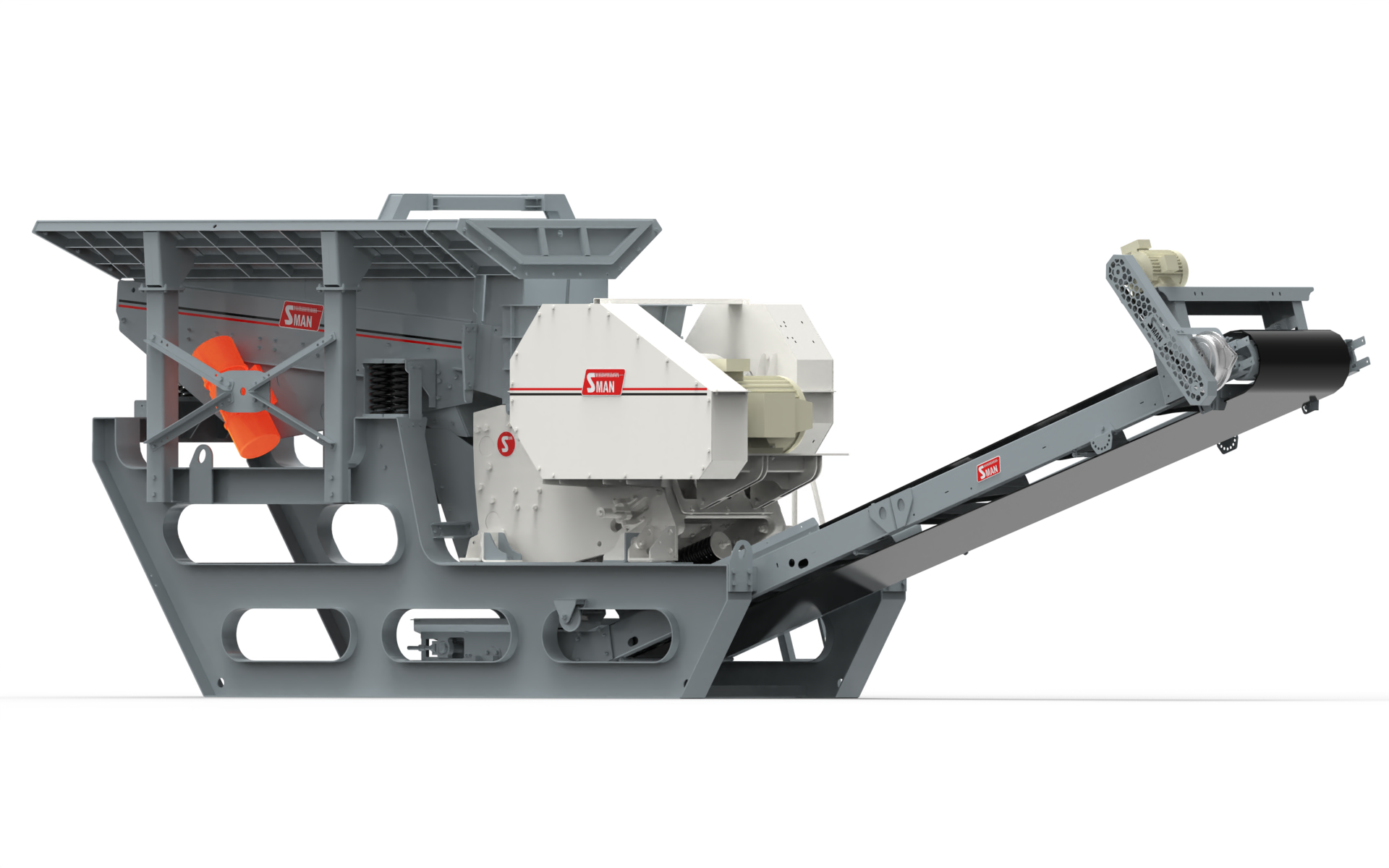
Vibrating feeders regulate the movement of material from a hopper or storage point to downstream equipment. Inconsistent feeding can affect the performance of the entire crushing plant.
Check the following:
Feeder tray and liner condition
Mounting and support components
Feed distribution across the tray
Material build-up and blockages
Drive and control components, where fitted
Fasteners and connections
Consistency of material discharge
A stable and appropriate feed rate helps downstream crushers and screens operate more consistently.
The feeder settings should be adjusted according to the material, equipment design and process requirements.
7. Check Bolts, Fasteners and Structural Components
Vibration can place repeated loads on fasteners and structural components.
Inspect accessible bolts, mounting points, support structures and connections at the intervals specified by the manufacturer.
Use the recommended tightening procedures and torque specifications. Avoid arbitrary adjustments that could damage components or affect equipment alignment.
Any crack, deformation or other structural concern should be assessed by qualified personnel.
8. Keep Equipment Clean
Dust and material accumulation can interfere with inspections and may affect the performance of moving components.
Maintain housekeeping around screens, feeders, drive assemblies and access areas. Remove material build-up using approved procedures and suitable tools.
Before cleaning, isolate the equipment and follow the site's lockout/tagout and other applicable safety procedures.
Never reach into operating equipment or remove guards while machinery is running.
9. Follow Equipment Safety Procedures
Maintenance must be carried out by trained personnel using the appropriate safety procedures.
Before performing maintenance:
Stop the equipment using the approved shutdown procedure.
Isolate electrical and other energy sources.
Apply the site's lockout/tagout procedure.
Verify that stored energy and unexpected movement hazards are controlled.
Use suitable personal protective equipment.
Follow the manufacturer's maintenance instructions.
Only authorized personnel should carry out repairs, adjustments and component replacement.
10. Maintain a Preventive Maintenance Record
A maintenance log helps track recurring problems, inspections, component replacements and servicing activities.
A useful maintenance record may include:
Inspection date
Equipment identification
Operating hours
Inspection findings
Lubrication and servicing details
Parts replaced
Corrective actions taken
Name of the responsible technician
Follow-up inspection requirements
Reviewing maintenance records can help identify recurring issues and improve maintenance planning.
The inspection frequency should be based on the equipment manual, material characteristics, operating hours and actual site conditions.
Common Signs That a Vibrating Screen or Feeder Needs Inspection
Pay attention to changes such as:
Unusual noise or vibration
Reduced screening efficiency
Blocked or damaged screen mesh
Inconsistent material feeding
Abnormal bearing temperature
Loose fasteners
Visible spring or mounting damage
Unexpected changes in product size distribution
These symptoms can have different causes. A systematic inspection is recommended rather than replacing parts without identifying the underlying issue.
How Shakti Mining Equipments Supports Crushing and Screening Applications
Shakti Mining Equipments Private Limited, established in 1986, is based in Ambad MIDC, Nashik, Maharashtra, India.
The company offers crushing and screening equipment and material-processing solutions under brands including SMAN, KAMAL and SHAKTIMAN. Its product range includes jaw crushers, cone crushers, VSI equipment, complete crushing and screening plants, wheel-mounted plants and sand-making and washing equipment.
For equipment-related maintenance, operators should refer to the relevant equipment manual and consult qualified service personnel. Maintenance requirements vary by machine model, application and operating conditions.
Frequently Asked Questions
How often should vibrating screens be inspected?
Inspection frequency depends on the manufacturer's recommendations, operating hours, material characteristics and site conditions. Routine visual checks and scheduled preventive maintenance help identify problems early.
What are the common maintenance checks for vibrating screens?
Common checks include inspecting screen mesh, fasteners, springs and mounts, lubrication points, bearings, structural components and unusual vibration or noise.
Why is vibrating feeder maintenance important?
A properly maintained feeder helps provide consistent material flow to downstream equipment. Problems with feeding can affect the operation and productivity of the overall crushing plant.
What causes reduced screening efficiency?
Possible causes include blocked or damaged screen media, unsuitable screen openings, inconsistent feeding, incorrect operating conditions and worn components. The actual cause should be identified through inspection.
Can maintenance be performed while a vibrating screen is running?
Maintenance should not be performed on operating equipment unless a specific task is explicitly permitted by the manufacturer's approved procedure and applicable site safety rules. Before routine maintenance, isolate energy sources and follow the site's lockout/tagout procedure.
How can unexpected downtime be reduced?
Follow a preventive maintenance schedule, inspect wear components regularly, maintain accurate service records, train operators and address abnormal equipment conditions promptly.
Conclusion
Vibrating screens and feeders play an important role in maintaining material flow and screening performance in crushing plants. Regular inspections, correct lubrication, screen media checks, fastener inspections and preventive maintenance records can help identify potential issues before they cause significant disruption.
For safe and effective maintenance, always follow the equipment manufacturer's instructions and the site's approved safety procedures.
Need crushing and screening equipment for your project? Contact Shakti Mining Equipments to discuss your application, production requirements and equipment needs.